Defining Markup and Margin
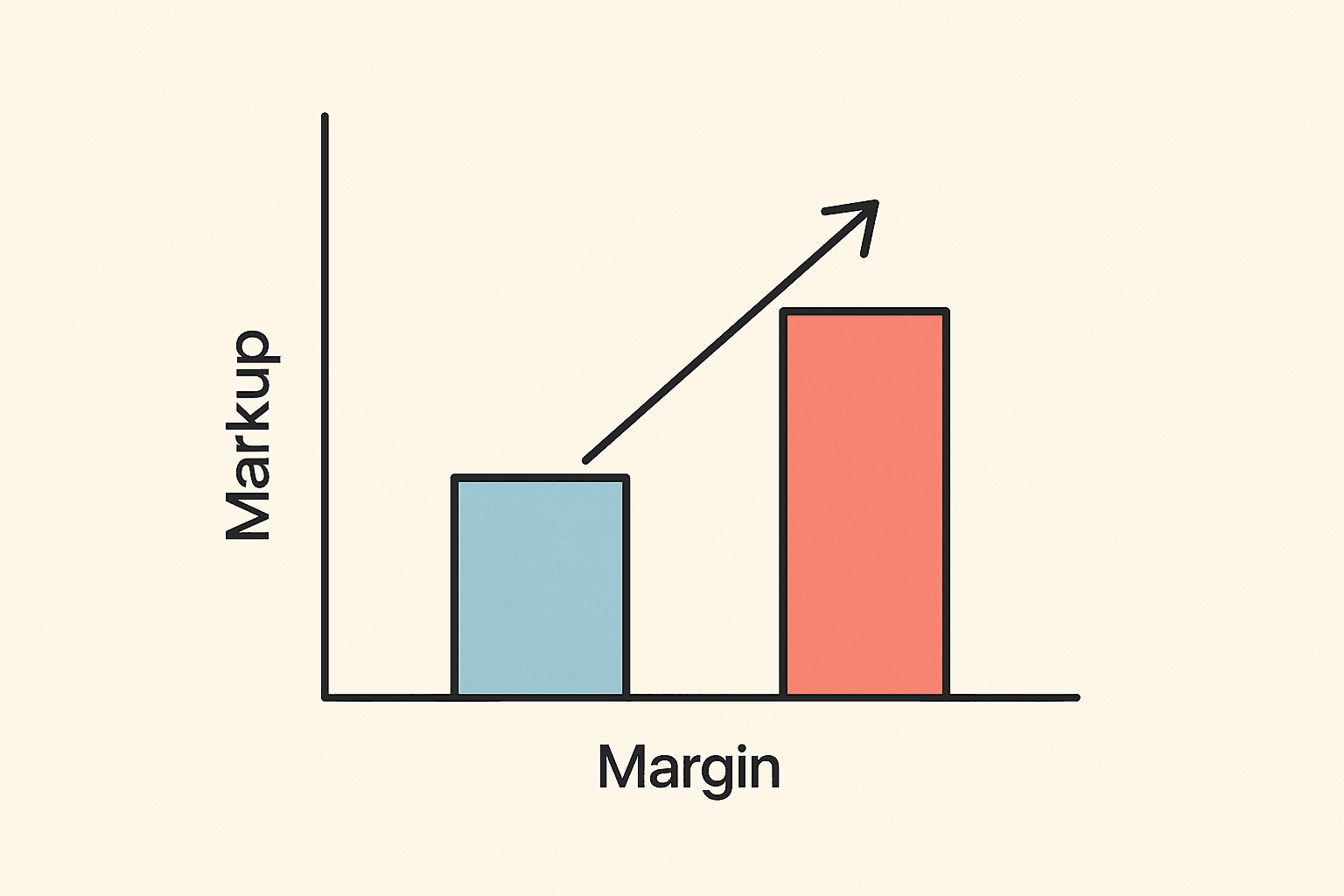
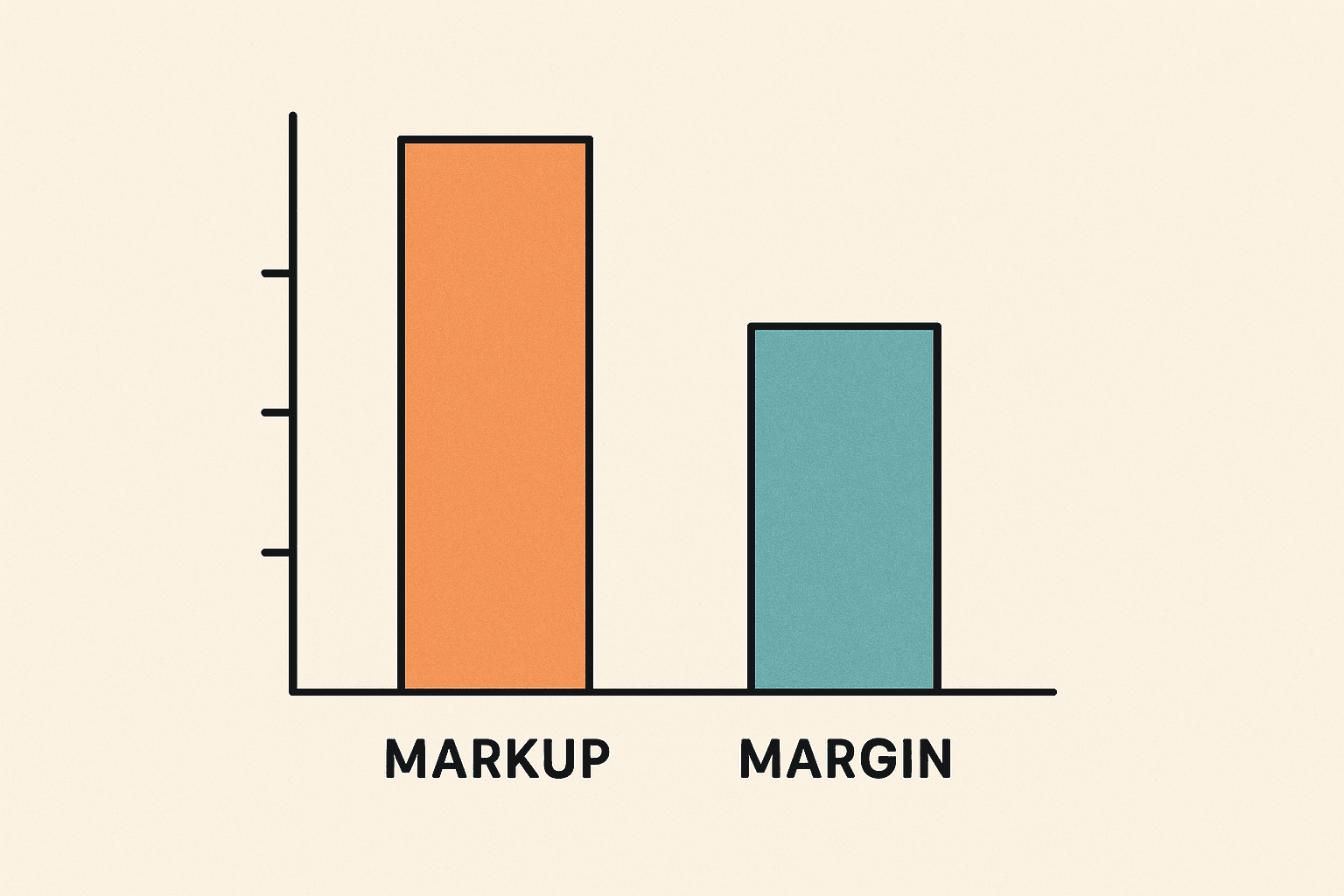
Markup and margin are two essential concepts in pricing strategy and profitability analysis. Markup refers to the amount added to the cost price of goods to determine their selling price. It is expressed as a percentage of the cost. For example, if a product costs $50 and is marked up by 40%, the selling price would be calculated as follows: Selling Price = Cost + (Cost × Markup Percentage) = $50 + ($50 × 0.40) = $70. On the other hand, margin represents the difference between the selling price and the cost price, expressed as a percentage of the selling price. Using the previous example, the margin can be calculated as follows: Margin = (Selling Price - Cost) / Selling Price × 100 = ($70 - $50) / $70 × 100 = 28.57%. Understanding these definitions is crucial for effective pricing strategies.
Calculating Markup and Margin
To further illustrate the calculations, let’s consider a product that costs $100. If a business wants to apply a markup of 50%, the selling price would be: Selling Price = Cost + (Cost × Markup Percentage) = $100 + ($100 × 0.50) = $150. Now, to find the margin based on this selling price, we can use the formula mentioned earlier: Margin = (Selling Price - Cost) / Selling Price × 100 = ($150 - $100) / $150 × 100 = 33.33%. This example shows how a higher markup does not necessarily translate to a higher margin, as the selling price influences the margin percentage.
The Importance of Understanding Both Metrics
Understanding both markup and margin is vital for businesses to set competitive prices while ensuring profitability. For instance, if a retailer sells a product for $200, but the cost is only $120, the markup is 66.67%: Selling Price = Cost + (Cost × Markup Percentage) implies $200 = $120 + ($120 × 0.6667). However, the margin would be calculated as: Margin = ($200 - $120) / $200 × 100 = 40%. This distinction helps businesses make informed decisions about pricing strategies, discounts, and promotions. A business that understands these metrics can better manage its inventory and optimize its profit margins.
Practical Applications of Markup and Margin Calculations
In practice, businesses often use markup and margin calculations to evaluate product performance and make strategic decisions. For example, a company that sells electronics may find that a certain product has a low margin, prompting them to either reduce costs or increase the markup. Using a margin calculator can help businesses quickly assess how changes in cost or selling price affect their margins. Similarly, a markup calculator can assist in determining the right markup percentage needed to achieve desired profit levels. These tools are invaluable for maintaining healthy profit margins while remaining competitive in the market.