
Understanding VAT and Its Importance
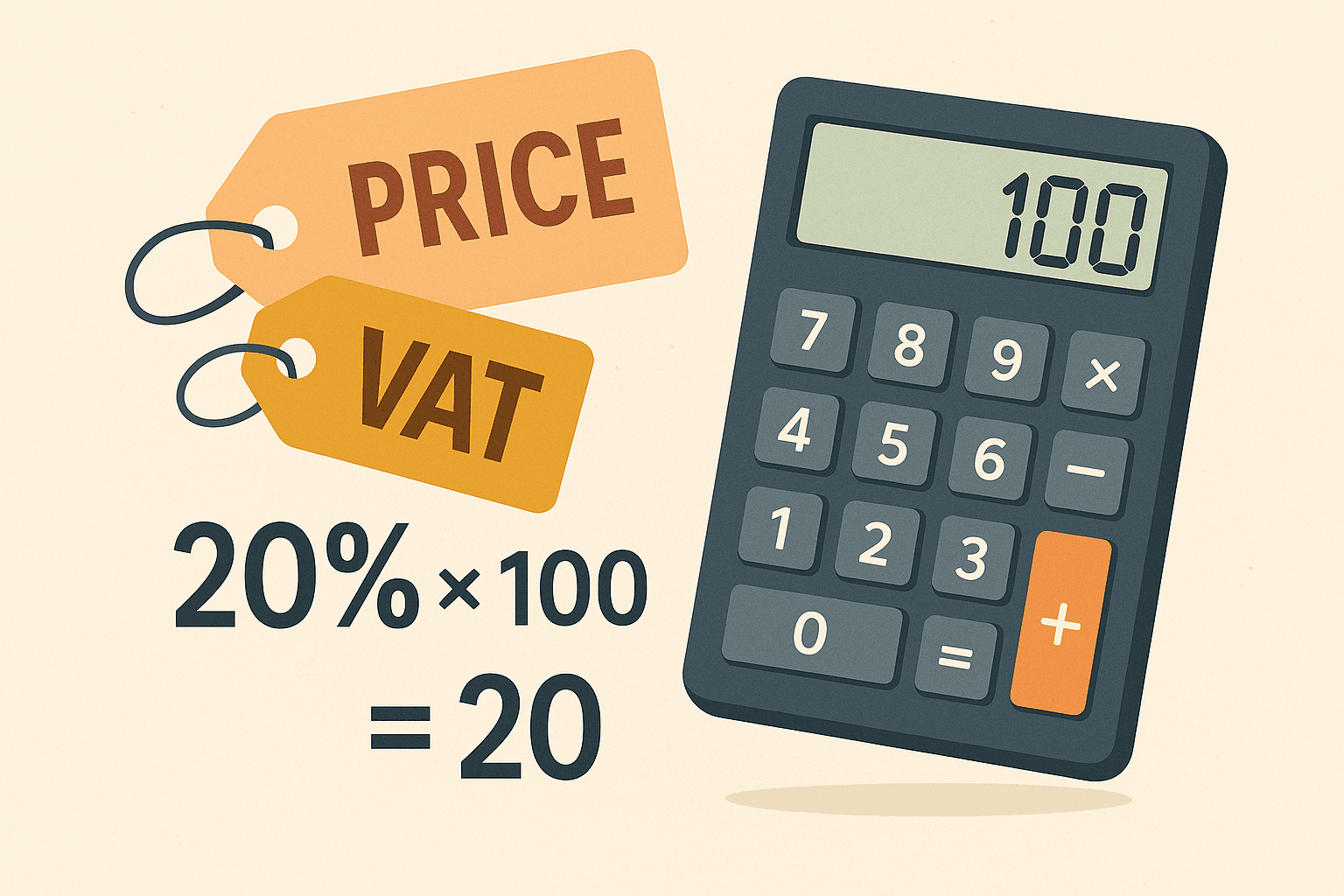
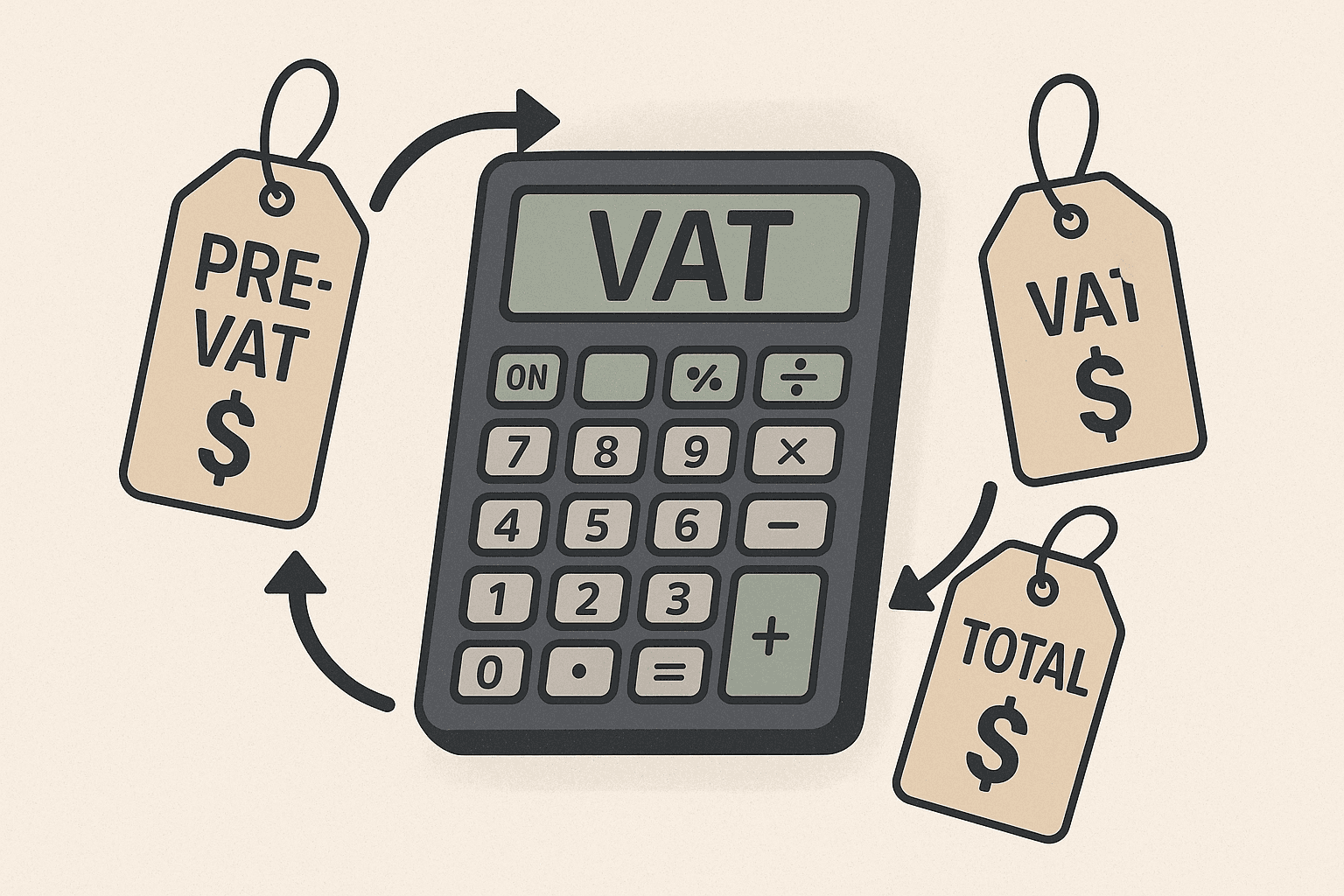
Value Added Tax (VAT) is a consumption tax placed on a product whenever value is added at each stage of the supply chain. It's essential for businesses to understand how VAT impacts pricing, especially when determining the pre-VAT price. For instance, if a product is sold for £120 including VAT at a rate of 20%, the pre-VAT price can be calculated using the formula: Pre-VAT Price = Total Price / (1 + VAT Rate). In this case, the pre-VAT price would be £120 / 1.20 = £100.
Calculating Pre-VAT Prices: Step-by-Step
To calculate the pre-VAT price accurately, follow these steps: 1. Identify the total price (including VAT). 2. Determine the applicable VAT rate. 3. Use the formula mentioned earlier. For example, if a service costs £150 including VAT at 20%, the calculation would be: Pre-VAT Price = £150 / 1.20 = £125. This method ensures that businesses can set competitive prices while remaining compliant with tax regulations.
Example Calculation
Consider a scenario where a retailer sells a gadget for £240, which includes a VAT of 20%. To find the pre-VAT price, you would calculate: Pre-VAT Price = £240 / 1.20 = £200. This means that the retailer's revenue before VAT is £200, and the VAT collected is £40. Understanding this breakdown helps businesses manage their finances better and plan for tax obligations.
Using a VAT Calculator for Efficiency
For those who prefer a quicker method, using a VAT calculator can simplify the process. By entering the total price and the VAT rate, the calculator will instantly provide the pre-VAT price. You can find a reliable tool at /vat-calculator. This can be particularly useful for businesses with a high volume of transactions, ensuring accuracy and saving time.
Common Mistakes to Avoid
When calculating pre-VAT prices, businesses often make common mistakes such as miscalculating the VAT rate or forgetting to convert the percentage into a decimal. For instance, using a VAT rate of 15% instead of 20% would lead to an incorrect pre-VAT price. Always double-check the VAT rates applicable to your products or services to avoid financial discrepancies.
Conclusion
Calculating pre-VAT prices is crucial for businesses to maintain accurate pricing strategies and comply with tax regulations. By following the outlined steps and utilizing tools like VAT calculators, companies can streamline their pricing processes. Remember to regularly review your pricing strategy to ensure it aligns with current VAT rates and market conditions.